How to Use Anti‑Dandruff Shampoo on Your Beard and Scalp: A Step‑by‑Step Guide
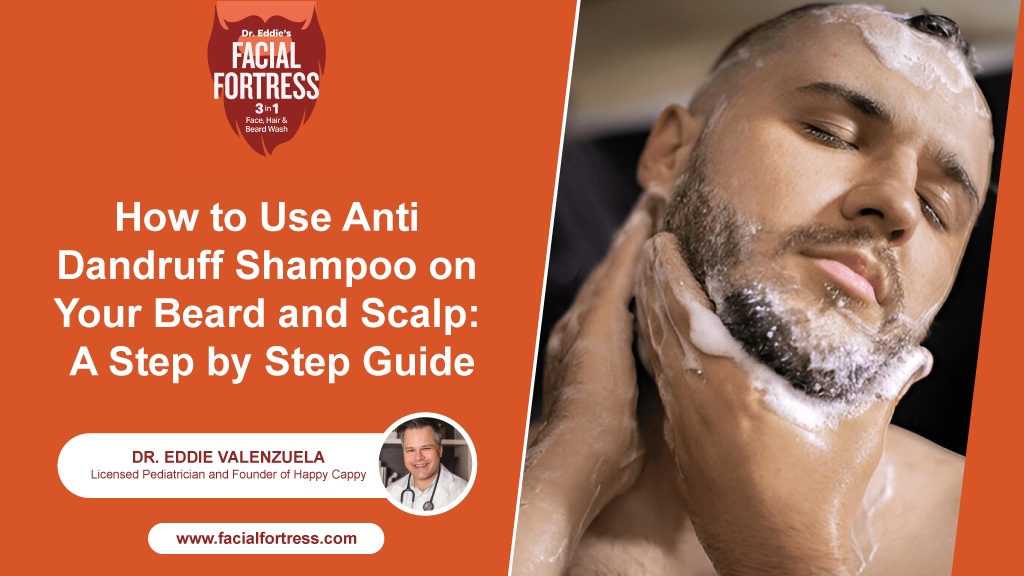
Dandruff is one of the most common scalp concerns, affecting nearly half of all people at some point in their lives. While it’s a harmless condition, it can be frustrating, persistent, and often difficult to manage. Dandruff typically appears during the teenage years and is most common through middle age, peaking in young adulthood.
Many people try multiple products, especially shampoos labeled “anti-dandruff”, only to see little improvement, or even worsening symptoms. In many cases, the problem isn’t just choosing the wrong shampoo, but also not using it correctly.
That’s why we created this guide: to help you understand the basics of scalp and beard dandruff, how to choose the right shampoo, and how to use it effectively for real results.
Understanding Beard and Scalp Dandruff
Dandruff is a mild form of seborrheic dermatitis, which affects the scalp only. Seborrheic Dermatitis can appear anywhere on the body, including the beard. The symptoms vary in intensity. However, inflammation, redness, flakiness, and oil are common in seborrheic dermatitis. On the other hand, dandruff only leads to yellowish or white flakes with an oily scalp. Malassezia yeast is commonly associated with beard dandruff. Whether flakiness is on the beard or the scalp, the symptoms can be reduced with a single product.
Choosing the Right Anti-Dandruff Shampoo
Key factors when choosing an anti-dandruff shampoo for scalp and beard:
- Proven active ingredients such as ketoconazole, zinc pyrithione, or selenium sulfide
- Free from harsh chemicals, dyes, and added fragrance
- Safe for both scalp and beard use
- Soothes symptoms like itching, redness, and inflammation
- Developed or recommended by healthcare professionals
Now, you might be wondering which shampoo meets this criteria. No need to write down these points and head to the nearest grocery shop or pharmacy. Just navigate to Facial Fortress 3-in-1 Medicated Shampoo For Dandruff. This shampoo is great for use on the scalp, face, and beard to reduce symptoms associated with dandruff and seborrheic dermatitis, and it also helps in softening the beard.
Preparing Your Beard and Scalp Before Washing
Getting your beard and scalp ready before applying shampoo can make treatment more effective. Seborrheic dermatitis often affects oily skin, but dryness and tangles can also make washing difficult. Preparing properly allows the shampoo to penetrate better and work on the flakes, oil, and irritation.
Step-by-Step: Preparing Your Beard and Scalp Before Washing
Step 1: Detangle gently
- Use a wide-tooth comb, a soft-bristle brush, or a dedicated beard comb.
- Work through tangles slowly without pulling.
- Apply a small amount of beard oil or moisturizer if hair is dry or hard to manage.
Step 2: Wet with lukewarm water
- Use tepid or cool water instead of hot water, which can dry and irritate skin.
- Make sure hair and skin are evenly damp to help the shampoo spread and absorb.
Step 3: Keep cleansing simple
- Avoid harsh soaps or strong detergents that strip natural oils.
- If your skin is on the drier side, keep showers shorter and follow with a gentle moisturizer.
Dermatologist-Recommended Way of Using Anti-Dandruff Shampoo on Beard and Scalp
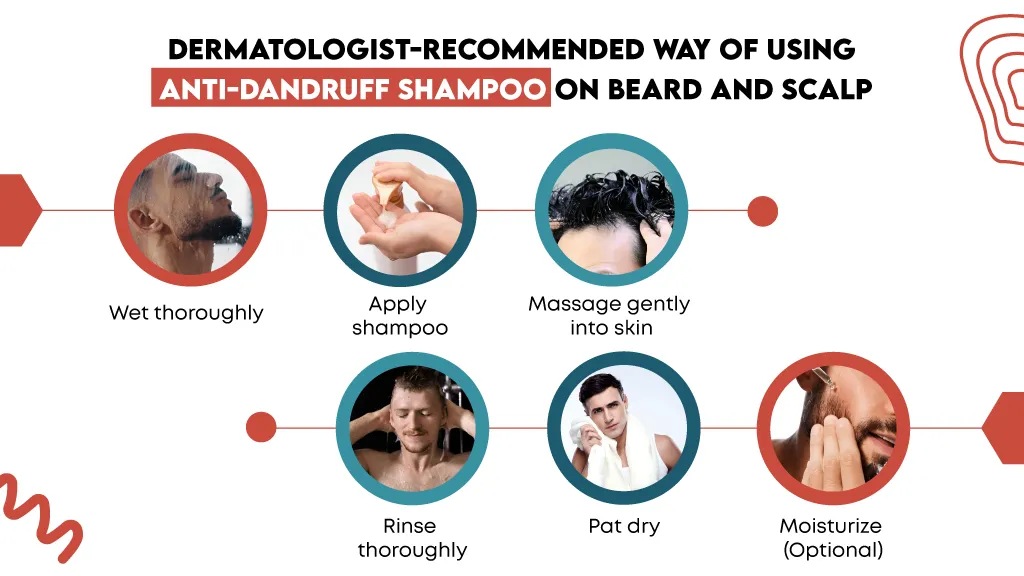
Here are dermatologist-approved steps for using anti-dandruff shampoo the right way.
Step 1: Wet your beard and scalp thoroughly
- First, wash your beard thoroughly.
- Do not use shampoo at this point. We recommend taking a complete bath in the whole process if your skin is excessively oily.
- For individuals with dry skin, we recommend just washing the affected area. Wet your beard and scalp thoroughly for easy application of shampoo.
Step 2: Apply shampoo in small amounts
- Apply the Facial Fortress’s Medicated Wash by Dr. Eddie to your scalp and beard in a small amount.
- Make sure the shampoo reaches the surface level of your skin instead of just touching the hair.
Step 3: Massage gently into skin, not just hair
- Now, you have to massage the shampoo gently yet thoroughly on your scalp and beard. This step ensures that the shampoo is used correctly and will be effective.
- Make sure you massage and lather the shampoo on the affected area for at least 2 minutes.
Step 4: Rinse thoroughly with lukewarm water
- Now, wash your face and beard thoroughly with tepid or lukewarm water.
- Make sure to rub your hair thoroughly to remove shampoo residues.
Step 5: Pat dry with a clean towel (avoid rubbing)
After removing the residue of shampoo, you are not done with washing. After taking a bath, you have to dry your hair. For this, pat dry your skin with a clean towel instead of vigorously rubbing it.
Step 6: Apply a lightweight moisturizer
Cleansing can remove natural oils from the skin, so applying a moisturizer afterward helps restore hydration and protect the skin barrier. Choose a fragrance-free, non-comedogenic moisturizer to avoid irritation.
In some cases, dermatologists may also recommend medicated creams if symptoms are more severe:
- Antifungal creams (such as ketoconazole) to reduce yeast overgrowth.
- Low-strength corticosteroid creams (like hydrocortisone) for short-term relief of redness and itching.
- Moisturizers with active ingredients such as salicylic acid or urea to soften and reduce scaling.
Use these only as directed by a healthcare professional, and stick with gentle daily moisturizers in between flare-ups to keep the skin calm and hydrated.
Common Mistakes to Avoid When Using Anti-Dandruff Shampoo
Over-washing or daily use that causes dryness
Whether you are dealing with dandruff or seborrheic dermatitis on your beard and scalp, you have to manage the washing. Too little washing can increase oil buildup, dust particles, etc. Overwashing can dry out the skin under the beard and make it itchy. Using anti-dandruff shampoo too often, whether daily or multiple times a day, can irritate and dry out your skin. The key is balance. Wash often enough to control oil and flakes, but not so much that you strip the skin and cause dryness or irritation.
Using heavy beard oils that feed Malassezia yeast
Beard oils are good for your beard, but they can lead to overgrowth of the yeast. Malassezia yeast feeds on oil. Using beard oils regularly can worsen the condition. It will allow yeast to thrive and overgrow, leading to more flaky buildup, itching, and oiliness. In case of seborrheic dermatitis, we recommend stopping the use of beard oils, even though they work well normally. Keep using anti-dandruff shampoo. This will help you.
Rinsing too quickly without letting the shampoo work
Let’s say you apply shampoo to your beard or scalp and just rub it for 5 to 10 seconds. Within this time, it is pretty hard for the shampoo to:
- Touch your skin
- Deliver the active ingredients
- Be effective
Used this way, you will not get the results you are looking for. The right way to use the shampoo is to massage it deeply into your hair with your fingers so it can reach your skin, and then let it sit there for 2 minutes so it can work.
Combing and scratching
Regular grooming—like combing and trimming your beard—helps keep flakes under control and makes it easier for shampoo to reach the skin. However, avoid using a rough comb or brushing too aggressively, as this can irritate the skin and even cause temporary hair loss. The same risk comes with scratching. While itching may be tempting, scratching damages the skin barrier and worsens irritation. Instead, rely on a proper anti-dandruff shampoo routine to calm the itch and keep your beard and scalp healthy.
Beyond Shampoo: Beard and Scalp Care Tips to Prevent Dandruff Recurrence
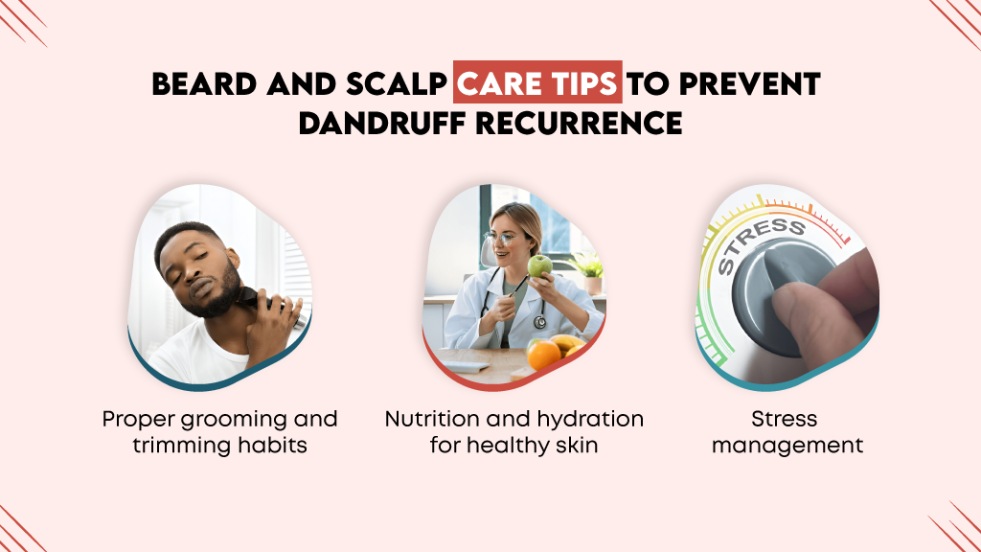
Using the right anti-dandruff shampoo is only part of the solution. To keep your beard and scalp healthy and reduce the chance of flare-ups you’ll want to follow a few additional habits. These tips can easily become part of your daily beard care and skincare routine.
1. Proper Grooming and Trimming Habits
Beard and scalp care go beyond washing. Regular trimming, combing, and grooming help keep hair neat and make it easier for shampoos and treatments to reach the skin.
- You don’t need to trim daily, but keep your beard well-shaped and tidy.
- Comb or brush gently with soft bristles to avoid irritation.
- Clean, groomed hair allows anti-dandruff products to work more effectively.
2. Nutrition and Hydration for Skin Health
What you eat and drink has a direct impact on your skin. Staying hydrated strengthens the skin barrier and helps the immune system fight off yeast and fungal overgrowth.
- Drink plenty of water throughout the day.
- Choose a balanced diet rich in whole foods—vegetables, fruits, lean proteins, and healthy fats.
- Limit processed foods, excess sugar, and greasy fast food, which can worsen inflammation.
3. Stress Management
Stress is a well-known trigger for dandruff and seborrheic dermatitis. It weakens the immune system, disrupts the skin barrier, and increases the risk of flare-ups. Building healthy stress-relief habits can make a big difference.
Simple practices include:
- Practicing yoga, meditation, or mindfulness
- Participating in religious or spiritual routines
- Exercising regularly
- Getting consistent, quality sleep
- Spending time with friends and family
- Limiting alcohol intake
- Following a nutritious, balanced diet
Bottom line: Combining the right shampoo with consistent grooming, nutrition, hydration, and stress management creates a complete approach to managing dandruff and seborrheic dermatitis—for both the beard and the scalp
Beard and Scalp Wash
The Facial Fortress Medicated Wash by Dr. Eddie is designed for all skin types and helps manage dandruff and seborrheic dermatitis on the scalp, beard, and face. Whether you’re dealing with flakes, itching, or irritation, this gentle yet effective wash supports healthier skin and hair.
Key benefits:
- Safe for sensitive skin
- Formulated with Zinc Pyrithione, an FDA-approved active ingredient for dandruff relief
- Free from harsh chemicals, fragrance, and dyes
- Developed by a doctor
How to use:
For best results, use daily or at least three times per week. Most users notice improvement in flakes, itching, and irritation within the first few washes.
When to consult a dermatologist
There may come a point where you need professional consultation. These are the red flags that show you need to visit a doctor:
- If there is an infection
- If the skin is oozing or bleeding
- If the shampoo is not working or worsening the symptoms, even after using it the recommended way
- If there is severe itching, pain, or irritation
Conclusion: Taking Control of Beard and Scalp Dandruff
Dandruff and seborrheic dermatitis can be stubborn, but with the right approach, they’re manageable. By choosing a proven anti-dandruff shampoo, using it correctly, and combining it with good grooming, nutrition, hydration, and stress management, you can significantly reduce flakes, itching, and irritation.
The key is consistency: give the shampoo time to work, avoid common mistakes like overwashing or scratching, and follow healthy daily habits that support your skin barrier.
If symptoms persist, worsen, or lead to pain, bleeding, or infection, don’t hesitate to consult a dermatologist for a tailored treatment plan.
For most people, however, the right shampoo makes all the difference. Dr. Eddie’s Facial Fortress 3-in-1 Medicated Wash is designed to treat dandruff and seborrheic dermatitis on the scalp, beard, and face, helping restore comfort and confidence. With consistent use, you can keep your skin healthy—and keep flakes off your shoulders.
Recent Post

Frequently Asked Questions
Can I use anti-dandruff shampoo on my face daily?
Will shampooing my beard cause dryness or hair loss?
How long does an anti-dandruff shampoo take to work?
Can natural remedies replace medicated shampoos?
Can I use beard oil if I have seborrheic dermatitis?