Daily Beard Care Myths That Could Be Making Flakes and Itch Worse
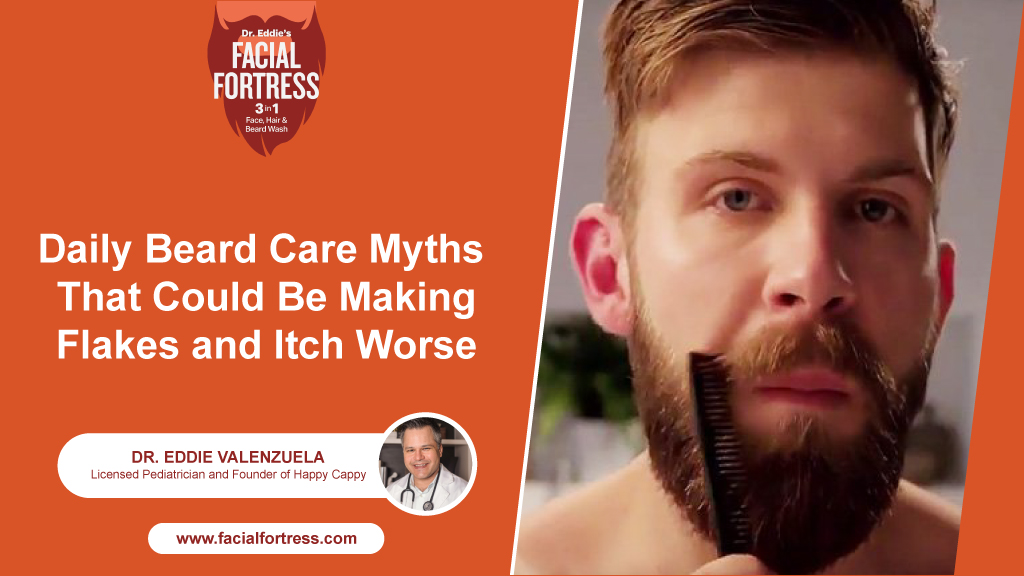
When it comes to beard care, myths travel fast. Social media hacks, quick fixes, and old-school grooming advice often get repeated as if they were proven facts. The problem is that many of them can actually worsen flakes in the beard, dryness, and beard skin irritation instead of improving them.
At Facial Fortress, beard care is approached from a dermatologic perspective. That means focusing not only on the hair, but on the skin underneath it. When you understand what truly causes beard itch, dry skin under the beard, and beard dandruff, treatment becomes much more straightforward.
Below, we break down the most common misconceptions using a Myth, Truth, and What To Do Instead format.
Why Does My Beard Itch? Myth vs Truth
The Myth
Beard itch is normal. You just have to push through it.
The Truth
If you have ever asked, “Why does my beard itch?”, the answer is usually not the hair itself. Persistent itch typically reflects:
- Dry skin under the beard
- Barrier disruption from overwashing
- Seborrheic dermatitis
- Product-related beard skin irritation
When the skin barrier is compromised, nerve endings become more reactive, increasing the sensation of itch.
For a deeper explanation, review the causes of an itchy beard.
What To Do Instead
Identify whether the itch is from dryness or inflammation. Moisturize if the skin is dry. Use antifungal treatment if dandruff is present.
What Causes Dry Skin Under a Beard?
The Myth
Dry skin under the beard just means you need more oil.
The Truth
Dry scaly skin under the beard is often caused by:
- Overwashing with harsh cleansers
- Cold or dry climates
- Fragrance or alcohol based products
- Disruption of the skin barrier
While oils can help with dehydration, they do not repair barrier damage caused by aggressive cleansing.
What To Do Instead
Support the skin barrier first. Proper beard hygiene includes gentle cleansing 2 to 3 times per week and avoiding irritants. Overwashing is a common cause of chronic dryness.
How to Get Rid of Flakes in a Beard
The Myth
All flakes in the beard are just dry skin.
The Truth
Flakes in the beard can result from simple dryness or from seborrheic dermatitis. The appearance differs:
- Fine, powdery flakes usually signal dryness
- Thicker, greasy flakes often indicate dandruff
If you are trying to understand how to get rid of flakes in your beard effectively, you must first identify which type you have.
What To Do Instead
Treat based on cause. Dryness responds to moisturization. Inflammatory flakes require antifungal treatment.
If you suspect dandruff, read more about what causes beard dandruff.
How to Stop Beard Dandruff Long Term
The Myth
Beard dandruff will disappear if you wash more often.
The Truth
Washing more frequently does not necessarily stop beard dandruff. Seborrheic dermatitis is associated with:
- Increased sebum production
- Overgrowth of Malassezia yeast
- Inflammatory response in susceptible individuals
Learn more about the yeast connection in Malassezia related beard dermatitis and how it differs from dryness in seborrheic dermatitis vs regular dandruff.
What To Do Instead
If your goal is to stop beard dandruff long term, control yeast, and maintain barrier health.
Use targeted antifungal therapy several times weekly until symptoms improve, then maintain once weekly to reduce recurrence.
What Is the Best Beard Wash for Dandruff?
The Myth
Any shampoo will work as a beard wash for dandruff.
The Truth
Facial skin is more sensitive than scalp skin. Harsh shampoos can worsen dry scaly skin under beard and irritation.
The best beard wash for dandruff is one that:
- Targets yeast overgrowth
- Preserves the skin barrier
- Avoids heavy fragrance and harsh surfactants
What To Do Instead
Look for antifungal ingredients such as pyrithione zinc, which helps reduce yeast proliferation and normalize skin cell turnover.
For a dermatologist informed option, explore the Facial Fortress 3 in 1 Medicated Face, Hair, and Beard Wash.
Allow the cleanser to sit briefly before rinsing for optimal effect.
What Proper Beard Hygiene Actually Looks Like
The Myth
Beard hygiene simply means washing daily.
The Truth
Proper beard hygiene involves more than frequent washing. It includes:
- Appropriate cleansing frequency
- Barrier support
- Managing inflammation when present
- Avoiding irritants
Neglecting skin health can contribute to beard skin irritation and recurring flakes in the beard.
What To Do Instead
Follow these beard maintenance tips:
- Wash 2 to 3 times per week
- Use a beard wash for dandruff if needed
- Moisturize dry skin under the beard
- Brush gently
- Avoid heavily fragranced products
Consistency reduces recurrence.
Are Beard Oils Making Dandruff Worse?
The Myth
Applying more oil will stop beard dandruff.
The Truth
Oils moisturize dry skin but do not treat fungal overgrowth. In some cases, excess lipids may worsen inflammatory dandruff.
If your goal is to stop beard dandruff rather than mask flakes in the beard, antifungal control should come first.
What To Do Instead
Control inflammation and yeast first. Reintroduce light moisturization once flaking improves.
Why Beard Flakes Keep Coming Back
The Myth
Once flakes improve, the problem is gone.
The Truth
Seborrheic dermatitis is often cyclical. Stopping treatment too soon allows yeast proliferation and inflammation to return.
What To Do Instead
If you are trying to get rid of flakes in beard permanently, maintain treatment once weekly even after improvement.
Long term control requires consistency.
Beard Maintenance Tips for Long-Term Skin Health
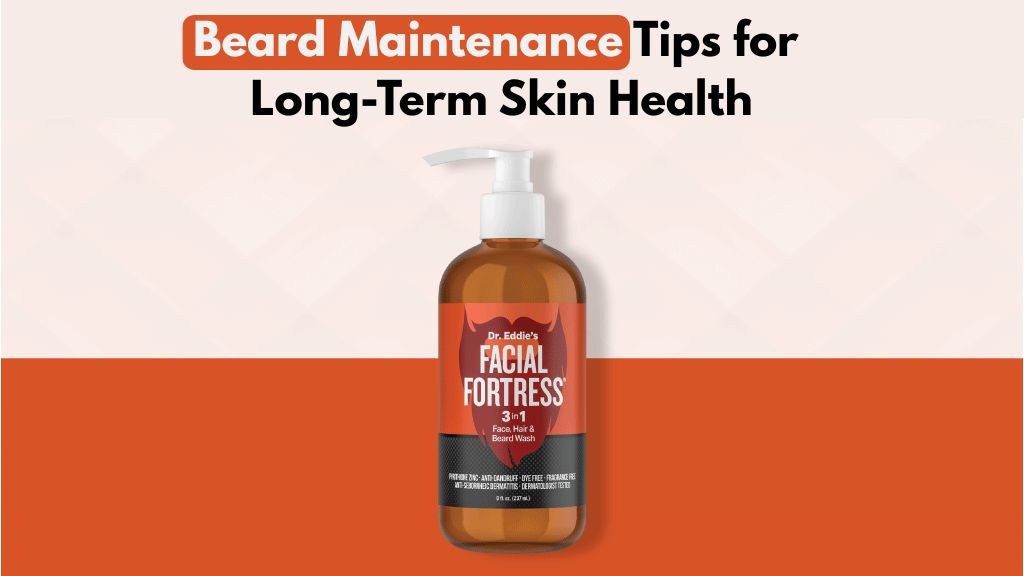
A healthy, comfortable beard does not happen by accident. Consistent beard hygiene and skin support reduce flakes in beard, minimize beard skin irritation, and improve overall comfort.
Follow these dermatologist-informed beard maintenance tips:
- Cleanse 2 to 3 times per week with a gentle beard wash. If you are prone to dandruff, use a targeted beard wash for dandruff several times weekly until symptoms improve.
- Avoid overwashing. Daily washing can contribute to dry scaly skin under beard in many individuals.
- Moisturize after washing if you have dry skin under beard. Choose a lightweight oil or balm that does not contain heavy fragrance.
- Allow medicated cleansers to sit briefly before rinsing when treating dandruff.
- Brush gently with a soft bristle brush to distribute oils without causing micro irritation.
- Trim regularly to prevent split ends and reduce buildup in dense areas.
- Avoid harsh surfactants, alcohol based grooming products, and heavy fragrances that can worsen beard skin irritation.
- Support skin health systemically by staying hydrated, managing stress, and maintaining a balanced diet.
Consistent beard hygiene is more effective than aggressive treatment cycles. Small, sustainable habits reduce the recurrence of flakes and help stop beard dandruff long term.
Final Perspective
Beard flakes are rarely random. They usually reflect one of three underlying issues:
- Skin barrier imbalance
- Inflammation
- Yeast overgrowth
Understanding whether you are dealing with dry skin under the beard or true beard dandruff determines the correct treatment strategy.
Aggressive washing and heavier oils often mask symptoms rather than correct the cause. Long term control requires proper beard hygiene, barrier support, and targeted antifungal treatment when necessary.
At Facial Fortress, beard care is designed from a dermatologic perspective. The goal is simple. Support the skin. Use clinically understood ingredients. Keep routines practical and sustainable.
You can explore the full Facial Fortress beard care collection to build a skin-first routine designed for long term control.
When beard care focuses on the skin beneath the hair, flakes and itch become significantly easier to manage.

Recent Post
Frequently Asked Questions
Why does my beard itch even after washing it?
How do I get rid of flakes in beard permanently?
What causes dry scaly skin under beard?
How can I stop beard dandruff from coming back?
What is the best beard wash for dandruff?
How often should I wash my beard for proper beard hygiene?
Do beard oils help with beard dandruff?